TEA BASICS
Tea Leaves
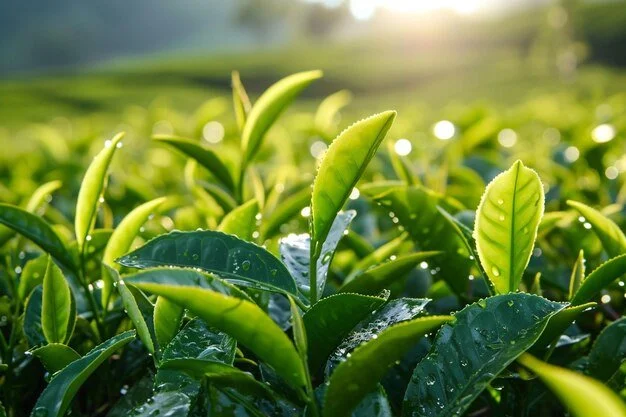
Tea is a drink made from the dried leaves of the plant Camelia Sinensis. This plant is native to the foothills of the southern and eastern Himalaya mountain range in Asia. It is now cultivated in many places around the world.
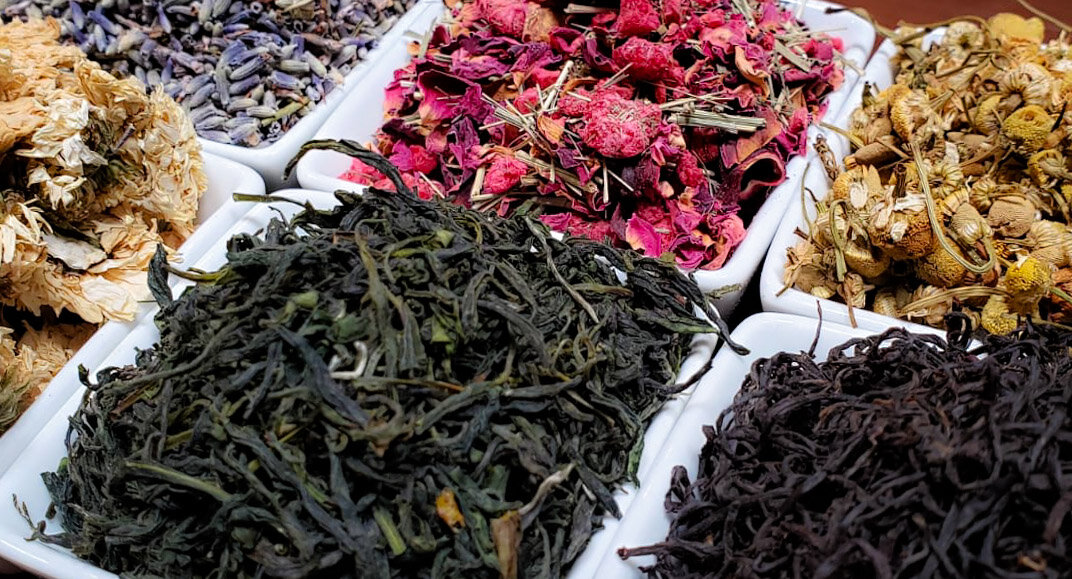
White tea is the most delicate and least processed- it is simply plucked and withered-it is delicate and often floral.
Green tea is created when the freshly dried leaves are “dry fired”- a Chinese process that quickly heats the leaves, killing enzymes that would lead to oxidation and effectively “fixing” the leaf in its current state. Japanese and Chinese styles of green are the most popular. Chinese style tea is more vegetal in flavor- think cooked greens. Japanese style tea is steamed instead of “dry fired” resulting in a stronger flavor- think freshly sprouted greens or dark green grass.
The Oolong category is between green and black tea- this style of tea exists within a mid-range spectrum of oxidization and is usually (though not always) crafted from a tightly rolled tip-and-two-leaf pick that is carefully sourced from specific Oolong cultivars- this processing style tends to bring out a tea’s natural florality and offers numerous steepings.
Black tea is made from fully oxidized leaves, and for us it is usually sourced from single origin tea gardens that are chosen to really highlight their incredibly varied terroirs. A quality black tea is sophisticated, with flavor nuances ranging from tobacco and leather to sweet aromatic stone fruits. Black tea is perfect to drink alone, although adding milk and sugar to nearly any black tea will create divinity in a cup. The Chinese actually refer to black tea as “red tea” as its liquor is often closer to a deep reddish color.
Pu’erh tea is made by an ancient and complicated process that actually ferments the tea leaves themselves. It originally comes from a regional domain in southern China known as Pu’erh (similar to Champagne in France). This style of tea is richly earthy tasting and can very dramatically in flavor due to its many nuanced processing styles. Pu’erh provides many unique health benefits due to its fermentation.
Tea (Camelia Sinensis) offers a near infinite variety of flavors owing to its processing, its natural factors resulting from individual cultivar genetics, and each tea garden’s age, soil, climate, and year-to-year seasonal variations. We tea advocates love to explore and appreciate these endless possibilities.
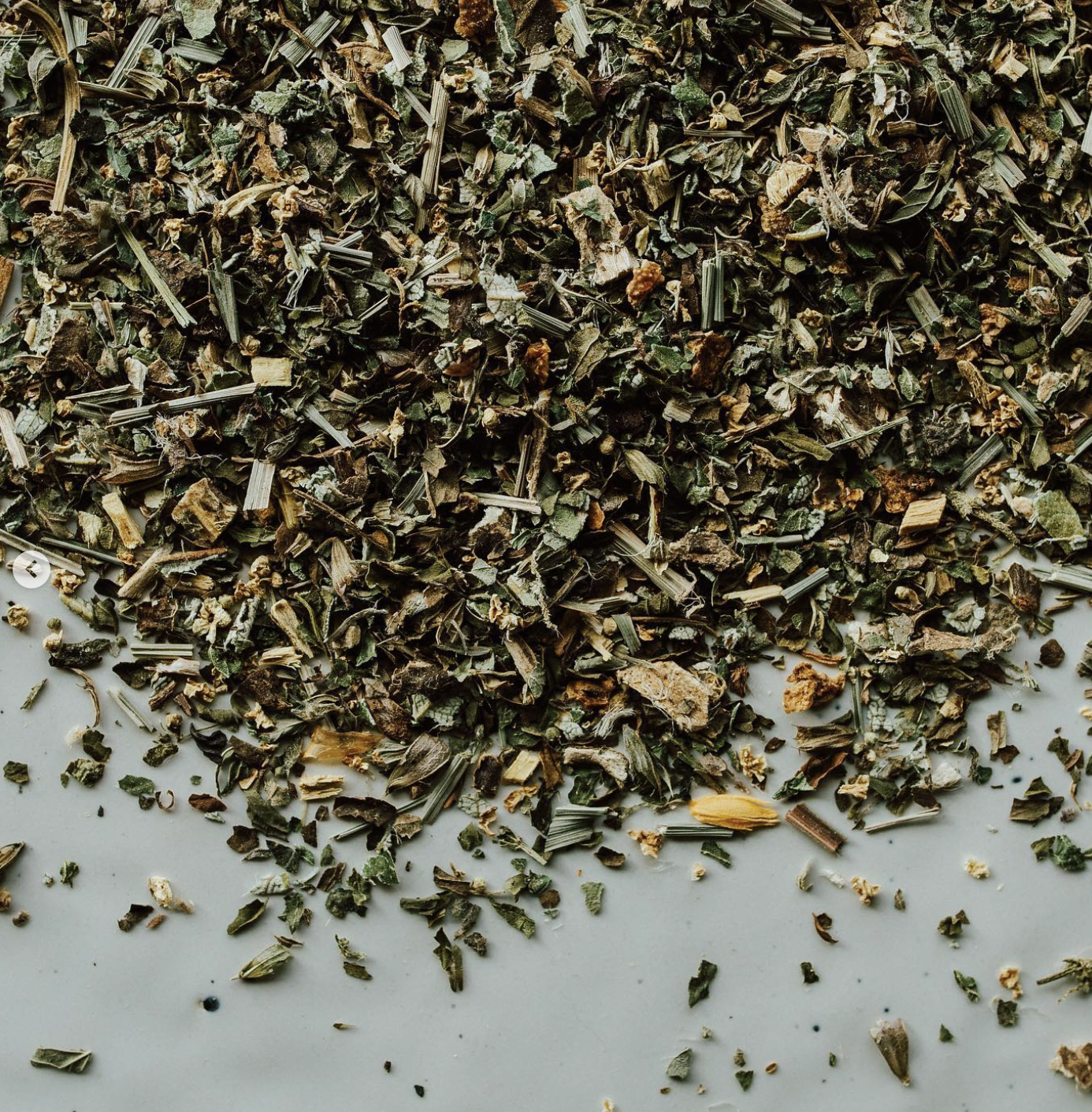
Lastly, drinks brewed from any plants other than Camelia Sinesis can be referred to as herbal teas or tisanes. Herbal teas are made from flowers, leaves, seeds, and spices from an astonishing assortment of plants. Yerba mate, Rooibos and our Ayurvedic blends are just a few examples of delicious, healthful, herbal teas that come from plants sourced from around the world.

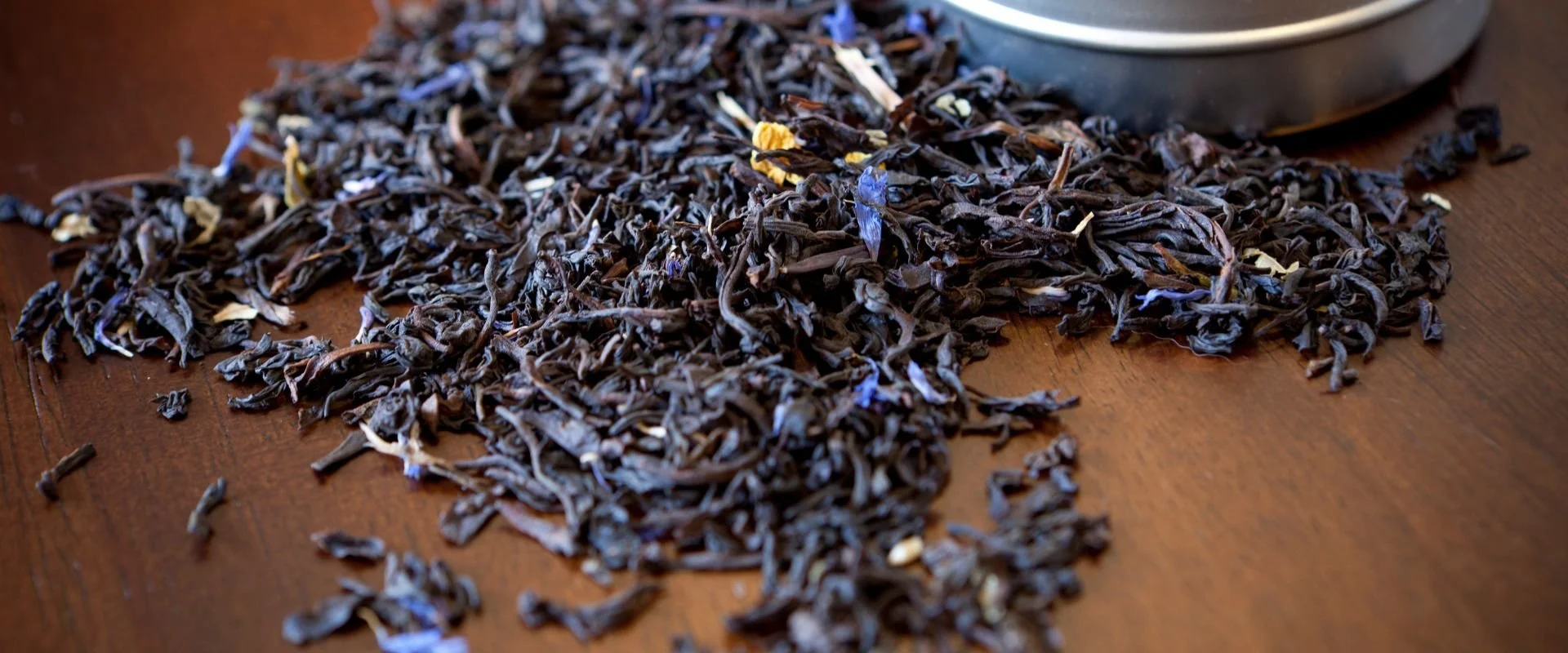
Loose Leaf Tea
Loose leaf teas are full-leaf, usually hand-picked teas whose quality and beauty are visually evident. Loose leaf tea is superior to standard bagged tea both for its enhanced flavor and health benefits that comes when brewing its full-sized delicate leaves, and the enhanced joy that comes from this ritualized tea experience itself. Often times bagged tea is filled with very fine low grade tea “fannings” – what is essentially tea-dust that is left over on the sorting table after the higher-quality loose leaf tea has been sorted out first. This low-grade tea can be “hidden” in bags and passed on to the consumer as “quality” or “value”. The bleached tea bags, metallic staples and cotton stings also serve to alter the taste of the brewed tea. We believe you deserve better. Tea drinking culture has been alive and active for thousands of years- bringing pleasure and social depth to millions of people. This joy and tradition is still alive with us today and our loose-leaf teas foster its continuation. We are thrilled to share our love and knowledge of tea with you through our incredible tea selection.